
It’s where our daily online activities take place, and what most people consider to be the Internet. Therefore, although it’s not illegal to just access the dark web, it makes you one of a kind. Therefore, it’s a perfectly safe place on the dark web, like many other onion sites you can easily google.
What Are The Differences Between The Deep And Dark Web?
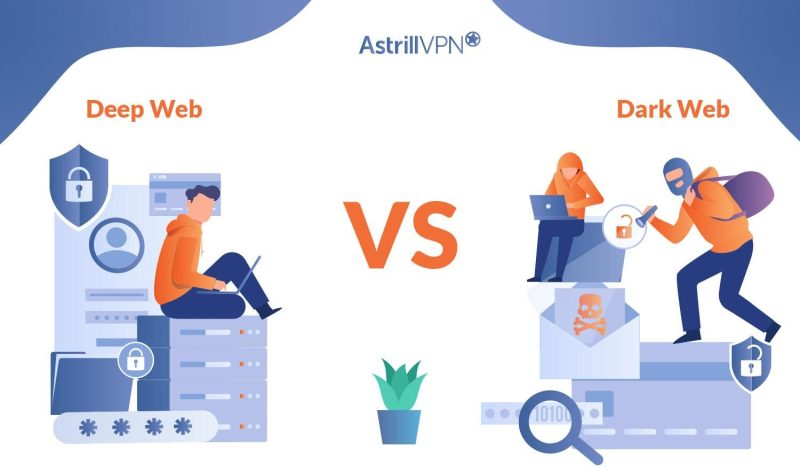
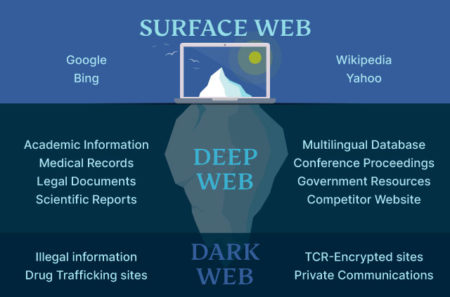
The deep web is the part of the internet that constantly runs behind the scenes to protect all the private data people share and store. The deep web is generally safe and secure to use; owners of private websites or services are responsible for maintaining their security. These websites exist in directories that Google (and other search engines) are barred from crawling. Also referred to as “non-indexed” content, it’s any content hidden behind some kind of access control such as a log-in or code word. A subset of the Deep Web, the Dark Web is intentionally hidden from your standard search engines, and is much more difficult to access as all its data is encrypted.
What’s The Difference Between Deep Web And Dark Web?
The dark web comprises purely non-indexed websites often used for illegal activity, whereas the deep web hosts paywalled and password-protected sites. Basic online hygiene can prevent security lapses when accessing the deep web. Examples include software as a service (SaaS) solutions, paid news websites, and streaming services. The paywall prevents search engine crawlers from accessing this content.
Access And User Experience

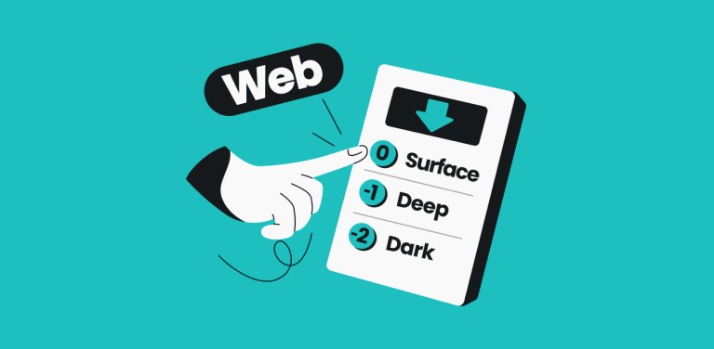
If it pops up in a Google search, it’s a part of the surface web. Some people claim that a shadow web exists even deeper, but it’s most likely an urban legend. The deep web is part of your everyday web and thus has to comply with all sorts of security standards and be hosted by companies that have at least some interest in maintaining their users’ privacy. Understanding each helps you stay safer online, especially when combined with security tools like a VPN. The dark web, on the other hand, typically requires special software or authorization and can carry higher security risks. If you have ever heard any instructions on how to safely use the internet, you already know how to safely access the deep web.
You can also use the website's search feature to locate content that web crawlers have not indexed. However, these websites can still be accessed using common web browsers like Chrome or Firefox by knowing the URL of the page and the necessary credentials. The web content that you see on popular search engines like Google, Bing, and Yahoo, social media platforms, and YouTube make up the surface web. But this is where it gets a little tricky, the dark web is considered part of the deep web because they are both not indexed by search engines. Yet, the deep web doesn’t just contain private databases, it also contains illicit goods and services, or what we like to call the dark web.
Now, let's explore their differences in more detail, how to access them, and dispel some misconceptions along the way. Lastly, there's the dark web, a concealed part of the deep web known for its high anonymity. Get alerted on credential-based breaches with Log360's powerful dark web monitoring capability.
The "regular Internet" Is The Surface Web
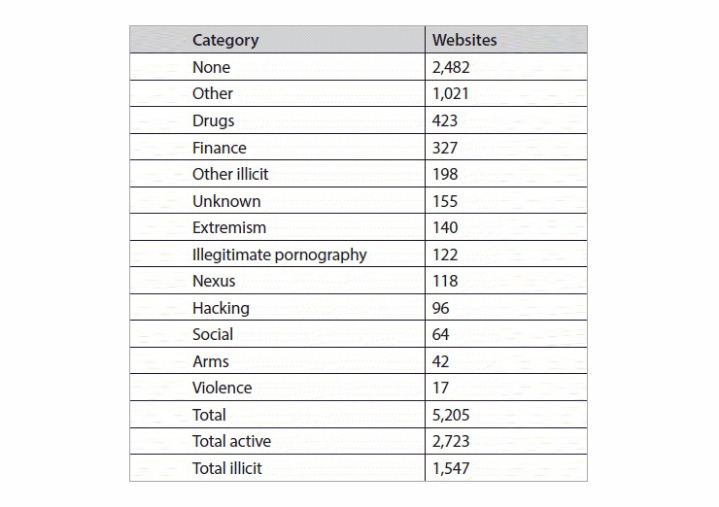
The internet’s deeper layers—namely, the deep web and dark web—represent distinctly different realms of online interaction. It constitutes a collection of hidden sites characterized by the use of special protocols, chiefly Tor. Yet, the surface internet we routinely access is only a fraction of what the web truly encompasses. Digital Risk Protection Threat Intelligence Dark Web Monitoring Cybersecurity Platforms Security Tools There’s also a risk of being monitored by state actors or cybercriminals who leverage de-anonymization techniques to identify users. Moreover, the anonymity that protects users can also be a double-edged sword.
Dark Web Vs Deep Web: 5 Key Differences
The dark web is another layer of the internet where users are anonymous and illegal activities, such as drugs or weapons trading, may occur. Below the surface of the internet — whose web pages are indexed by popular search engines — exists something called the deep web, and further below that, the dark web. These tools exist to protect users’ privacy and ensure data security, rather than to facilitate criminal activities. The Deep Web encompasses all online content that standard search engines like Google, Bing, or Yahoo cannot index.
Is The Dark Web Illegal?
You can also include Internet Protocol as a defining feature of the internet. The internet is the network infrastructure we use to communicate globally. We tend to use "internet" and "web" interchangeably, but they are very different. While they're related, knowing the difference can keep you safe from dangerous places on the internet and make you a hit at parties.
The dark web is also legal to access, but it comes with serious risks. The deep web primarily serves everyday users managing routine, secure tasks. Despite its reputation, many people use the dark web for legitimate purposes, such as secure communication for journalists, activists, and those seeking uncensored information. On the other hand, the dark web relies on anonymity and encryption to function. Criminals use it to buy and sell stolen data, commit identity theft, or conduct illicit transactions.
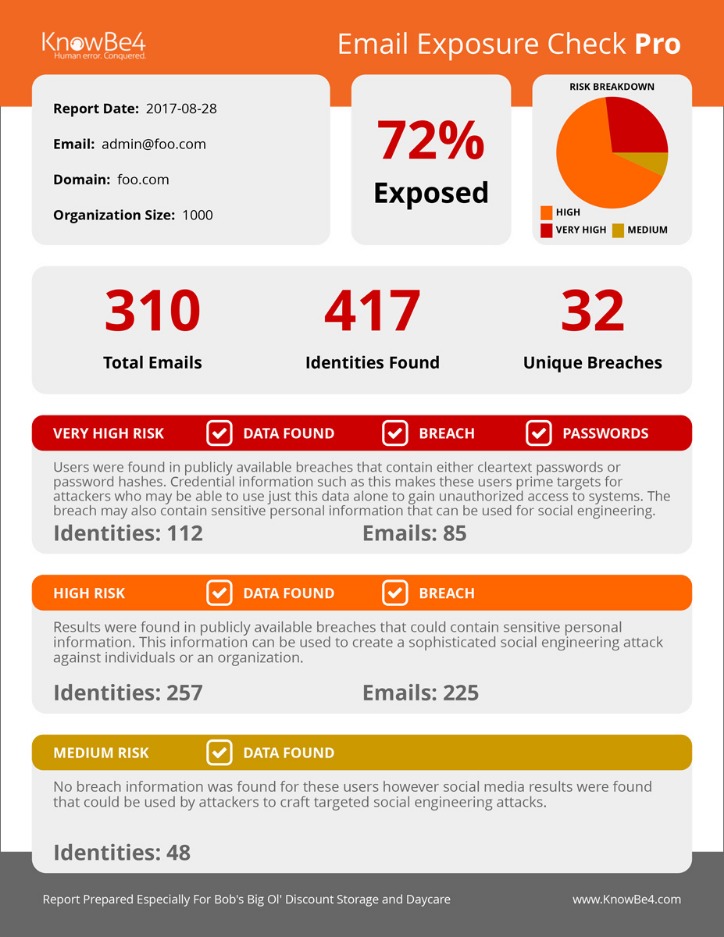
The Dark Web, on the other hand, is a small portion of the Deep Web that has been intentionally hidden and is inaccessible through standard web browsers. By instantly alerting you to any PII exposure on the dark web, Log360's monitoring capability reduces the risk of identity theft and data abuse for any gain, fraud, or extortion attempts. Log360 integrates with Constella Intelligence, the AI-driven identity intelligence provider, to continuously monitor dark web for security threats. A dark web monitoring solution fetches threat intelligence feeds from the dark web, analyzes them, and gives you recommendations to preempt data breaches and attacks.
- Whistleblowers, journalists, and activists frequently log on to the dark web in order to stay anonymous and spread the results of their research.
- If you come across software that seems neat and valuable, do not install it.
- The majority of the deep web consists of regular websites that require users to create an account before they can be accessed.
- Internet users familiar with encryption and cybersecurity likely know about VPNs, which can also mask your IP, but only to a certain point.
- Neither would a password that you’ve typed online and that a website needs to remember to provide you access.
In addition, clients can utilize Fidelis’ Threat Research as a Service (TRaaS) solutions to augment the work of internal cyber threat intelligence teams. These countermeasures and threat feeds are the results of TRT Security Researchers and Cyber Threat Intelligence Analysts curation of intelligence information and analysis from multiple open-source, dark web, and proprietary sources. The Fidelis Elevate platform consumes threat intelligence from the Fidelis Threat Research Team (TRT) in the form of countermeasures and automated threat feeds. This is true; however, not all deep web or dark web activity is illicit, nor is all illicit activity relevant to most customers of cybersecurity and anti-virus vendors. A lot of mainstream coverage and advertising around the deep web and dark web focuses on the illicit activities that take place on underground marketplaces and forums. Visiting the dark web itself isn’t illegal, but what you use it for may be.
The internet has levels that vary according to their purpose and the content. Hence, while the face of the internet remains the surface web, the deep and dark web are the hidden layers of the internet that require caution and understanding to traverse. Unlike the deep web vs dark web that encompass such secrecy or illegality, this surface web is totally safe to be used daily as well as it falls under more familiar laws and regulations.
For most people who do not fall under this category, everything you could want is readily available on the surface web. For example, journalists who researched the dark web were shocked to find that it already had lots of info on them. There are gigabytes worth of information in the form of leaked data that is for sale. Non-technical people who are interested in satisfying their curiosity can quickly get into trouble. From a cyber-security perspective, it can be if you don’t know how to protect yourself.