Additionally, integration can safeguard against potential negative effects post-experience, such as disorientation or detachment from reality. Combining cannabis with 2C drugs can lead to a more intense psychedelic experience than desired. In the United States, all 2C drugs are illegal under the Synthetic Drug Abuse Prevention Act of 2012, which prohibits its possession, distribution, and manufacture. The overarching goal was to curb the use of drugs that were perceived to be gaining popularity among young adults and club-goers.(21) The primary apprehension was its potential for abuse and the lack of comprehensive research regarding its long-term effects. Its effects, often anecdotally described as a blend between LSD and MDMA, made it particularly appealing to users seeking a unique psychedelic experience.(18, 19, 20)
Introduction To Phenethylamines
Remember, everyone’s experience with psychoactive substances is unique, as is the integration process. Integration after using psychedelics is crucial because these substances often induce profound and complex experiences that can be challenging to comprehend and assimilate into one’s everyday life. However, 2C-B, like all psychedelics, can offer the potential for challenging moments. Both compounds showed similar effects in terms of psychomotor (conscious movement) slowing and spatial memory impairments, but neither produced empathogenic effects. It evaluated the immediate subjective, cognitive, and cardiovascular effects of 20 mg of 2C-B compared to 15 mg of psilocybin and a placebo.
Proposed Determination Of Appropriate Schedule
However, introduction of substantive structural appendages to PEA (1) results in agents with a wide variety of actions (e.g. see Figure 2 and the related discussion). PEA (1) is not centrally active via common routes of administration unless heroic doses are consumed/employed. PEA (1) even has its own, although shared, receptor – TAAR1 – and seems to play a role as a neuromodulator. S(+)α-ET was also demonstrated to act as a weak 5-HT2A receptor partial agonist in a calcium mobilization assay whereas R(-)α-ET was inactive.114
Risks And Side Effects
As described by Shulgin, it can either be mild on its own or act to enhance and modify the effects of other psychedelics when combined. However, its subtlety may not diminish its insight and emotional exploration potential.(1, 13, 14) Its shorter duration, lasting just two to four hours, and less intense visual effects, compared to 2C-P, may make it a choice for those seeking a less overwhelming psychedelic journey. Users must be prepared for a potentially demanding experience due to its duration and intensity.(1, 13, 14)
Physical Health Considerations
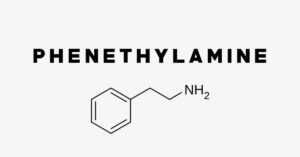
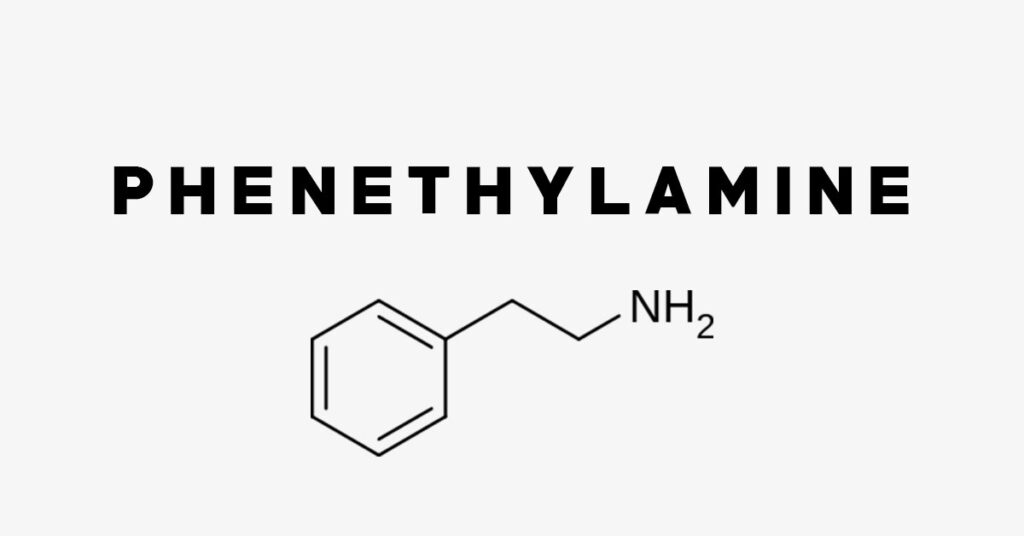
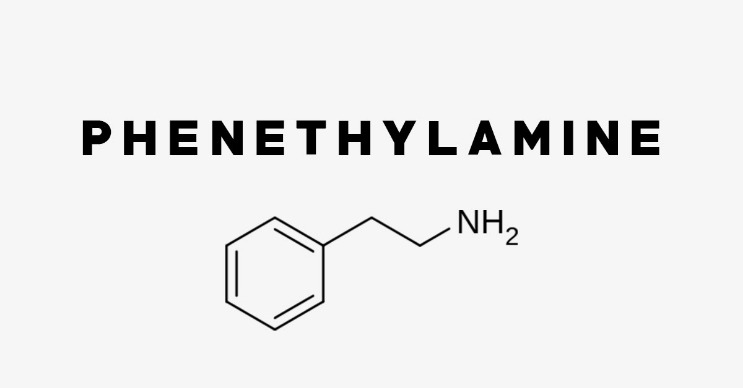
These drugs can increase the levels of PEA in the body, leading to potentially dangerous side effects such as high blood pressure, rapid heart rate, and seizures. While PEA itself has limited psychoactive potential when taken orally due to rapid metabolism, it serves as a crucial starting point for creating drugs with diverse and powerful pharmacological effects. More broadly, it is the foundational chemical scaffold for a huge class of drugs known as substituted phenethylamines. Most substituted phenethylamines exert their effects by modulating the monoamine neurotransmitter systems in the brain. Phenylethylamine (PEA) is the structural basis for a broad category of drugs called substituted phenethylamines, encompassing stimulants, psychedelics, and other psychoactive compounds. Most of the studies currently available regarding the toxicity of psychoactive phenethylamines focus exclusively on the acute effects and mainly on the fatal and non-fatal acute intoxication cases due to psychedelics phenethylamines, in particular related to “NBOMe” 22,23,24,25 and “2C” 26,27,28 series intake.
Pages In Phenethylamines
- At high doses, it can cause amphetamine-like side effects, including increased heart rate, anxiety, and agitation.
- The psychedelic effects of the 2C drugs are thought to be mediated specifically by activation of the serotonin 5-HT2A receptor.
- 2C series drugs are phenethylamine compounds with methoxy groups at positions 2 and 5 of the phenyl ring, as well as a hydrophobic substituent at position 4 of the ring.
- Because this condition frequently accompanies high levels of anxiety or depression, it can be used to test the effects of low doses of phenethylamine on these neurotransmitters.
- And Sutton, M., ‘A preliminary behavioral investigation of PMMA, the 4-methoxy analog of methamphetamine’, Pharmacology Biochemistry and Behavior, 1988, 31 (1), 9-13
Illustration 3 is a graphic representation of the regulatory pathway from the trace amine PEA to the increased concentration of the biogenic amines and neurotransmitters dopamine and serotonin. A similar increase in the synaptic concentrations of dopamine can be accomplished by blocking the dopamine transporter directly. 1-phenylethylamine can be synthesized by Escherichia coli overexpressing ω-transaminase (Cardenas-Fernandez et al., 2012). Unlike amphetamine, PEA has difficulties maintaining high concentrations in the human body, due to its oxidative deamination to phenylacetic acid by the enzyme B monoamine oxidase (MAO) (Yang & Neff, 1973).
Related Compounds
Activity at other post-synaptic receptors (e.g. 5HT1A, 5HT2C) may also influence effects. Many other novel psychedelic phenethylamines and their ranges in effects have been described in Alexander and Ann Shulgin’s work PIHKAL. These drugs typically release serotonin more readily than norepinephrine or dopamine and are thought to provide a hybrid of psychostimulant and psychedelic properties. The release of dopamine by the presynaptic cell is thought to give rise to the addictive potential of these agents. Psychostimulants include amphetamine, methamphetamine, methcathinone and cathinone which are non-selective for adrenergic receptors in the sympathetic and central nervous system.
However, due to its short half-life and potential for side effects, careful attention should be paid to dosing and stacking, particularly when using MAO-B inhibitors or other stimulants. However, it can cause side effects, particularly if taken in excessive amounts or combined with other substances. Interindividual differences in the metabolism of the 2C-FLY drugs could be caused by polymorphisms of enzymes involved or drug-drug interactions. Because DOI and DOC have no approved medical use and have not been investigated as new drugs, their safety for use under medical supervision has not been determined. The CSA establishes five schedules of controlled substances known as schedules I, II, III, IV, and V. The CSA also outlines the findings required to place a drug or other substance in any particular schedule, per 21 U.S.C. 812(b).

Given that 8-OH DPAT potentiated the stimulus actions of DOM, and that an MDMA-stimulus generalized to 8-OH DPAT, it was not unreasonable to hypothesize that MDMA might potentiate the stimulus actions of DOM – and, as such – represent an animal counterpart of “candy flipping”. The phenomenon known as “flipping” or “candy flipping” refers to the combined use of a classical hallucinogen plus MDMA to achieve a heightened effect by drug users. Interestingly, release of the conformational constraint resulted in a several hundred-fold reduction in HT1A receptor affinity. These types of compounds remain to be further investigated, and might yet yield novel 5-HT1A receptor antagonists.
- The most accurate classification is that PEA is a natural monoamine alkaloid and trace amine, which serves as the parent compound for the chemical class known as substituted phenethylamines.
- Then, novel cathinone analogs began to appear of the European clandestine market;80 these were termed synthetic cathinones.
- As such, DEA proposes to schedule DOI and DOC as controlled substances under the CSA.
- These disorders prevent the metabolism of phenylalanine in the body, which can lead to negative side effects, such as severe headaches and hypertension, or even psychosis.
- (+)Amphetamine, cocaine, and the central stimulant methylphenidate cross-generalize to one another in tests of stimulus generalization.18 Curiously, TDIQ-trained animals recognized cocaine, but not other stimulants.
- In mammals, phenethylamine is produced from the amino acid L-phenylalanine by the enzyme aromatic L-amino acid decarboxylase via enzymatic decarboxylation.
In a resting state, phenethylamine is synthesized in catecholamine neurons from L-phenylalanine by aromatic amino acid decarboxylase at approximately the same rate as dopamine is produced. In treatment-responsive individuals, amphetamine and methylphenidate greatly increase urinary phenethylamine concentration. Reviews that cover attention deficit hyperactivity disorder (ADHD) and phenethylamine indicate that several studies have found abnormally low urinary phenethylamine concentrations in ADHD individuals when compared with controls. Substituted phenethylamines are a chemical class of organic compounds based upon the phenethylamine structure;note 2 the class is composed of all the derivative compounds of phenethylamine which can be formed by replacing, or substituting, one or more hydrogen atoms in the phenethylamine core structure with substituents.
We used a β-PEA self-administration paradigm under FR and progressive ratio (PR) schedules of reinforcement to determine whether β-PEA produces reinforcing effects in rats. To determine the psychomotor effects of β-PEA, we performed an open-field test after mice received an acute administration of saline or β-PEA. The dorsal striatum is a forebrain structure of the basal ganglia circuit that receives dopaminergic projections from the substantia nigra or ventral tegmental area . In support of this, amphetamine increased the 50-kHz USV calls, and this effect was attenuated by a DA D1 receptor (DAD1R) antagonist in rats .
Data were analysed using repeated ANOVA followed by Bonferroni or Dunnet post-tests. In Figure 2, it can be seen how the viability is well above the OECD threshold (represented by the red line) for all substances up to 75 µM, except for 25B-NBOMe (Figure 2). In the preliminary phase of the research, we determined the concentrations to be used in the subsequent experiments aimed at evaluating the potential genotoxicity of different molecules under study. In our laboratory, we have been using the MN test for some time due to its ability to highlight the genotoxic effects of both clastogenic and aneuploidogenic compounds.