Integrating such elements can enhance PEA’s natural effects, promoting sustained emotional equilibrium. These compounds, often combined in formulations with a focus on bliss and energy support, play complementary roles in reducing the physiological impact of chronic stress while supporting the nervous system. PEA also intersects with medicinal mushrooms like Lion’s Mane, Cordyceps, and Reishi mushroom blends, which are known for their adaptogenic properties. Products such as NAD nasal spray with synergistic compounds like theanine nasal spray or GABA can further amplify PEA’s balancing effects, promoting clarity and emotional regulation. This mechanism has led PEA to be coined the “bliss molecule,” a term reflecting its impact on mood support and emotional well-being.
III PEA And Other Amines In Food
Some PEA supplements contain hydrochloride (HCL), which is added to make it easier for the body to digest PEA. PEA supplements come in several forms, including powders and capsules. Even so, some experts think that supplementing may not have significant effects, due to how this compound is rapidly broken down into inactive components. Phenethylamine is considered a trace amine and is found in the nervous system, where it plays a role in brain circuits that release “feel good” hormones.
Data Availability Statement
In this review, we examine the way the phenylethylamine (PEA) works in the brain. Phenylethylamine (PEA 2-phenylethylamine (b-phenylethylamine Phenethylamine,) is a trace amino acid. The body breaks down PEA supplements quickly and they pass through the blood-brain barrier easily to give users a much-needed boost to the central nervous system. The supplement affects dopamine levels in the body and they may suddenly fluctuate (x). Since phenylethylamine PEA works as a stimulant, large doses can increase adrenaline and raise blood pressure and heart rate, which may increase anxiety. Many weight loss aids contain phenylethylamine, thanks to its potential to reduce or block appetite.
3 Chemical Synthesis Of PEA
Phenylethylamine supplements have been linked to an increase in serotonin and dopamine in the brain, which may improve mood. These supplements typically come in the form of capsules or powders and are often marketed for their potential mood-enhancing and cognitive-boosting effects. It is important to consult with a healthcare professional before taking phenylethylamine supplements if you are taking any medications. Phenylethylamine supplements may cause side effects such as headaches, nausea, and increased heart rate.
Most experience a peak within 15 minutes and sustained energy for 30 min. to an hour. But unlike amphetamines, and because PEA is endogenous to the brain, side effects and tolerance are avoided. But as we get older, MAO-B levels rise and suppress healthy levels of PEA. Phenylethylamine (PEA) is naturally metabolized by monoamine oxidase-B (MAO-B).
Phenylethylamine Supplements: Benefits, Dosage, And Safety
Additionally, researchers may investigate individuals’ genetic differences in metabolizing PEA to identify subgroups that might experience heightened or reduced cognitive benefits. Longitudinal studies are necessary to evaluate the extended effects of such combinations on memory retention and executive functioning. Research could analyze how synergistic combinations, like mushroom cocoa with lions mane and cordyceps, influence cognitive resilience and focus when paired with PEA. One key potential area of study involves understanding how PEA may complement existing nootropic aids, such as lions mane medicinal mushrooms, cordyceps mushroom formulations, and reishi mushroom blends. Customized regimens may help balance the benefits of PEA with other synergistic substances like energy support cordyceps mushroom and reishi mushroom blend, minimizing overstimulation risks. Research also highlights the potential benefits of combining PEA with medicinal mushrooms, including reishi mushroom blend and mushroom cocoa lions mane cordyceps.

The connection between “food and mood” has been recognized long time ago (Ottley, 2000). Since elevated levels of amines are usually an indicator of food spoilage, it is possible use detection of amines as an indicator of food freshness. In vegetables, high levels of tyramine were only seen in brine, unless the vegetables were contaminated prior to processing or the temperature and storage time were extreme (Moret et al., 2005). It was suggested to use tyramine, putrescine, and cadaverin to quantify meat freshness (Fraqueza et al., 2012). Specifically, bacteria from the families Enterobacteriaceae and Pseudomonadaceae can produce cadaverine and putrescine in spoiled turkey meat.
The Definitive Guide To Nootropics
(D) Number of active and inactive lever pressing responses of saline or β-PEA self-administration under the PR schedule. (B) Breakpoint of saline and β-PEA self-administration under the PR session. (A) Total infusions of saline and β-PEA self-administration under the PR schedule of reinforcement. The reinforcing strength of β-PEA self-administration under the progressive ratio (PR) schedule of reinforcement in rats. (J) Temporal changes in drug infusions at the final self-administration session of the FR3 schedule.
- In this study, we investigated the effect of βPEA on extracellular levels of DA in C.
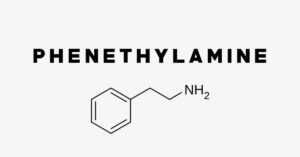
- Examples of naturally occurring biologically active compounds displaying a 2-phenethylamine scaffold.
- Phenylethylamine (PEA) can be metabolized naturally by monoamine oxidase B (MAO-B).
- Some report food cravings subside and it’s easier to lose weight.
- Some studies have shown that PEA may be able to enhance focus, attention, and memory, making it a popular supplement among students and professionals who need to stay mentally sharp.
McLean et al. portrayed the conformationally restriction of 2-phenethylamines via 1-aminomethylbenzocycloalkanes syntheses (Figure 18e). Both derivatives were found to interact strongly and selectively with 5-HT2A, demonstrating that size and lipophilicity increase in this region favors 5-HT2A/C affinity. Kolaczynska et al. analyzed the impact in 5-HT activity of 4-alkoxy exploration of 2,5-dimethoxyphenethylamines and amphetamines (Figure 18c). Marcher-Rørsted et al. reported the insertion of 2,5-dimethoxy motif in phenethylamine-like 5-HT2A agonists. NBOMes and polyalkoxylated phenethylamines could be envisaged as mescaline (Figure 16, 142) evolving structures. SAR exploration of the NBOMes scaffold led to defining avoidable regions for SAR expansion, while mapping tolerated substitutions seeking potency/selectivity .
Health Benefits Of Phenylethylamine (PEA)
Phenylethylamine (PEA), a naturally occurring compound, has been the subject of various scientific studies exploring its cognitive-enhancing properties. However, individuals with underlying heart conditions, hypertension, or those using antidepressants should exercise caution, as PEA’s stimulant effects could exacerbate these conditions. Because PEA has a short half-life in the human body, structured timing of doses may be required for sustained effects. For enhanced benefits, supplementation or formulations combining substances like NAD nasal spray and mushroom cocoa loaded with Lion’s Mane and Cordyceps mushrooms might be considered.
3 PEA As An Anti-microbial
However, the PEA in our brains is primarily produced by our own body, which brings us to our next fascinating topic. This structure might sound like gibberish to non-chemists, but think of it as a tiny molecular key that fits perfectly into certain locks in our brain. Since then, it’s been a subject of fascination for neuroscientists, psychologists, and even chocolate lovers (more on that later!). It was first synthesized in 1894 by Romanian chemist Lazăr Edeleanu, but its presence in the human brain wasn’t confirmed until the 1960s.
2 Extracellular DA In DAT-1 Transfected Cells And C Elegans Embryonic Cultures
Lukasik-Glebocka M, Sommerfeld K, Tezyk A, et al. Acute poisoning with weight-loss dietary supplement falsely suggesting the use of amphetamine. Szabo A, Billett E, Turner J. Phenylethylamine, a possible link to the antidepressant effects of exercise? N-Methylphenethylamine, an isomer of amphetamine, is produced in humans via the metabolism of phenethylamine by PNMT. By oral route, phenethylamine's half-life is 5–10 minutes; endogenously produced PEA in catecholamine neurons has a half-life of roughly 30 seconds. In mice, 100 mg/kg parenterally in mice, 39 mg/kg intracervically in mice, and 200 mg/kg i.p. The LD50Tooltip median lethal dose values of phenethylamine include 175 mg/kg i.p.
1 PEA And Other Amines In Food As A Result Of Microbial Contamination
This fascinating molecule has been captivating scientists and health enthusiasts alike due to its profound effects on our mood, cognitive function, and overall well-being. Taking phenethylamine along with desipramine (Norpramin) might increase the levels and the effects of phenethylamine. PEA represents an intriguing compound with potential applications in mood enhancement, cognitive function, energy metabolism, and appetite suppression. PEA may potentially interact with other drugs, notably those that change the brain’s levels of monoamine neurotransmitters. In the human brain, phenylethylamine (PEA), a naturally occurring monoamine alkaloid, is a neuromodulator and neurotransmitter. Empower your mind with expert research, reviews, and recommendations for achieving optimal brain health and cognitive longevity.