These signatures are a powerful trust signal — they confirm the identity of the site’s operator and help you distinguish between real and fake versions. They list verified mirrors and often display digital PGP signatures posted by site administrators. Fortunately, there are trusted ways to verify whether a .onion link is legitimate.
Be Mindful Of Legal Implications
To stay safe, use trusted links and avoid sharing your personal information. For instance, traffickers and hackers use the dark web to conceal their bad activities. Nonetheless, don’t assume that the dark web will hide your illegal actions – you will still get caught.
The process of browsing through a dark web browser or a dark web browser that is free enables the users to visit pages that are not accessible through the usual tools. While accessing the Hidden Wiki is not illegal in many countries, doing illegal work on the deep net links is considered a crime. They utilize encryption and cryptocurrency to maintain user anonymity and provide warm transactions.Our site provides working and verified onion links to the best darknet markets, all up to date.
Some Of The Big Things On The Hidden Wiki You Should Know
Thankfully, some useful sites can help you circumnavigate the dark web landscape as you search for the best content. It is possible to navigate the dark web even though it doesn’t host user-friendly onion search engines. It has onion links you cannot access with regular browsers like Chrome, Firefox, Edge, or Safari. This article lists some of the best dark web websites you can visit securely. The darkweb is a deeper subset accessible only through specialized tools like Tor, where anonymity is prioritized. Use deepweb search engines or private sharing groups to spread your .onion link.
Tor Metrics
For veterans, it remains a quick reference for new marketplaces, tools, or resources. For newcomers, it provides an understandable starting point — something tangible in an otherwise complex network. In 2025 and beyond, the Hidden Wiki still serves as a key resource for new and experienced users alike. Its cultural significance remains intact as an emblem of dark web accessibility. Some forks aimed to be safer by moderating links, removing scams, and providing verified lists. The Hidden Wiki evolved from a single directory to a fragmented ecosystem of mirrors and forks, each claiming authenticity.
Is Accessing The Dark Web Illegal?
- These networks each operate differently but share the goal of protecting anonymity and providing access to unindexed online spaces.
- Sites like the Hidden Wiki or Dark.fail keep updated lists of trusted onion links.
- Remember that illegal activities can still incriminate you, whether you are using a Tor browser.
- Predicting privacy issues in 2026, when online risks are expected to rise, many users are on the lookout for dependable methods of accessing hidden services without their identity being revealed.
- However, you’ll need to use specific keywords when searching on these dark web search engines.
Essentially, any content behind a login or stored in a private database is in the deep web, which makes up roughly 90% of all websites. Dark.fail is a directory that lists verified links to active and trustworthy dark websites that Google won’t let users find. Find safe, anonymous access to secure email, hidden wikis, Bitcoin tools, and hidden internet markets. WormWeb is a user-friendly search engine built specifically for the dark web, providing quick and easy access to .onion websites. It delivers an uncensored search experience, granting users access to a diverse array of information while effectively excluding illegal content. To ensure you can navigate this complex network of sites with ease and don't waste time on outdated tor links, you can rely on verified lists of onion sites.
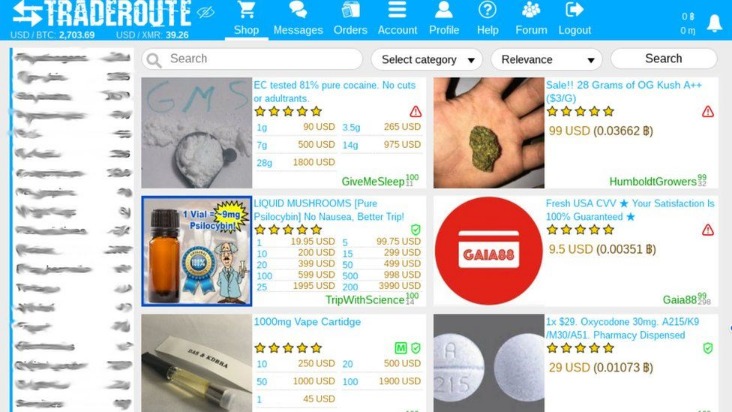
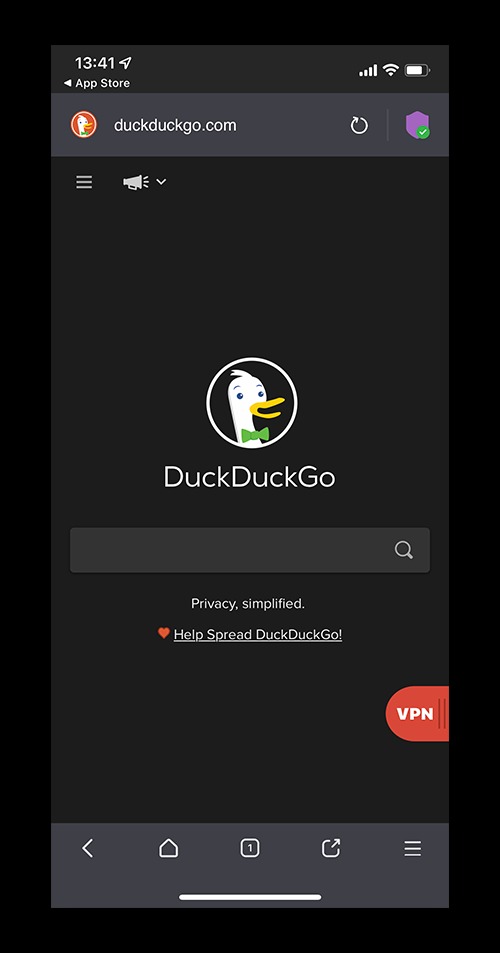
Some markets even sell privacy tools, but you are more likely to run across counterfeit prescription pills and stolen identities. It works by sending internet traffic through volunteer-operated nodes all over the world. Instead, they are designed using a cryptographic key and can be accessed only through software like the Tor browser. Onion links have no regular domain names registered under the domain name registry. Keep in mind that you’ve to use very specific keywords when searching. One option is to try DuckDuckGo’s .onion version, which is great for privacy.
What Is Typosquatting? Detection & Protection Guide
The tool is designed so that even the server cannot read the content you paste. It’s one of the few resources that consistently updates its .onion mirror, ensuring availability even during domain seizures or censorship events. Every installation has its .onion link hosted by the respective publication. While many users begin their dark web journey here, caution is strongly advised.
Types Of Dark Web Sites
In turn, authorities are using experiences from the unseen web to catch perpetrators of unethical activities. However, it’s much easier for individuals to create sites and draw attention. To visit the dark web, make sure you maintain your security and access the Tor browser. As I already said in this article, illegal activities happen on the dark web, and some of the most significant crimes ever happen there.
However, you’ll need to use specific keywords when searching on these dark web search engines. Other alternatives include NotEvil, Ahmia, and Torch, which list .onion links. For example, you can try DuckDuckGo’s .onion version, though it has a limited selection of dark web sites. The dark web has its own search engines, just like the surface web. So, it’s difficult to determine when a popular .onion site is going to disappear or go offline. So, using Firefox directly risks leaking identifying data through extensions, plugins, or active content unless you harden and lock it down.
Sci-hub has more than 80 million research documents, and more than 80% of the database contains journal research articles. You can access almost any published paper that would have otherwise been hidden behind a paywall. Sci-hub is a helpful dark web platform for those looking to access important research blocked by a paywall. You can easily find what you are looking for, even links to hidden dark web rooms. The Torch platform is among the most popular and long-standing dark web search engines, raking in over 80,000 daily search requests.
It embodies the dark web’s values of privacy, decentralization, and open access, even as it wrestles with security challenges. Others specialized in niche content like markets only or whistleblower sites only. The prevalence of scams and malware forced many darknet users to treat the Hidden Wiki cautiously, cross-referencing links with trusted community forums or using verified mirrors only.
When you use the Tor browser to visit a site, your connection is wrapped in multiple layers of encryption, like the layers of an onion. Their IP addresses are obscured, so you can’t easily discover who is hosting the site or where it’s located. This anonymity serves many purposes, both good and bad.
The dark web may offer access to valuable resources, but it’s also filled with traps, especially fake dark web sites designed to scam or harm unsuspecting users. Unlike surface engines, Haystak offers deep crawling and metadata previews to help users navigate through hidden content. It filters out illegal and scammy content while indexing only verified .onion links. In an age of surveillance and data leaks, these hidden networks still offer something the surface web often can’t — freedom and anonymity.