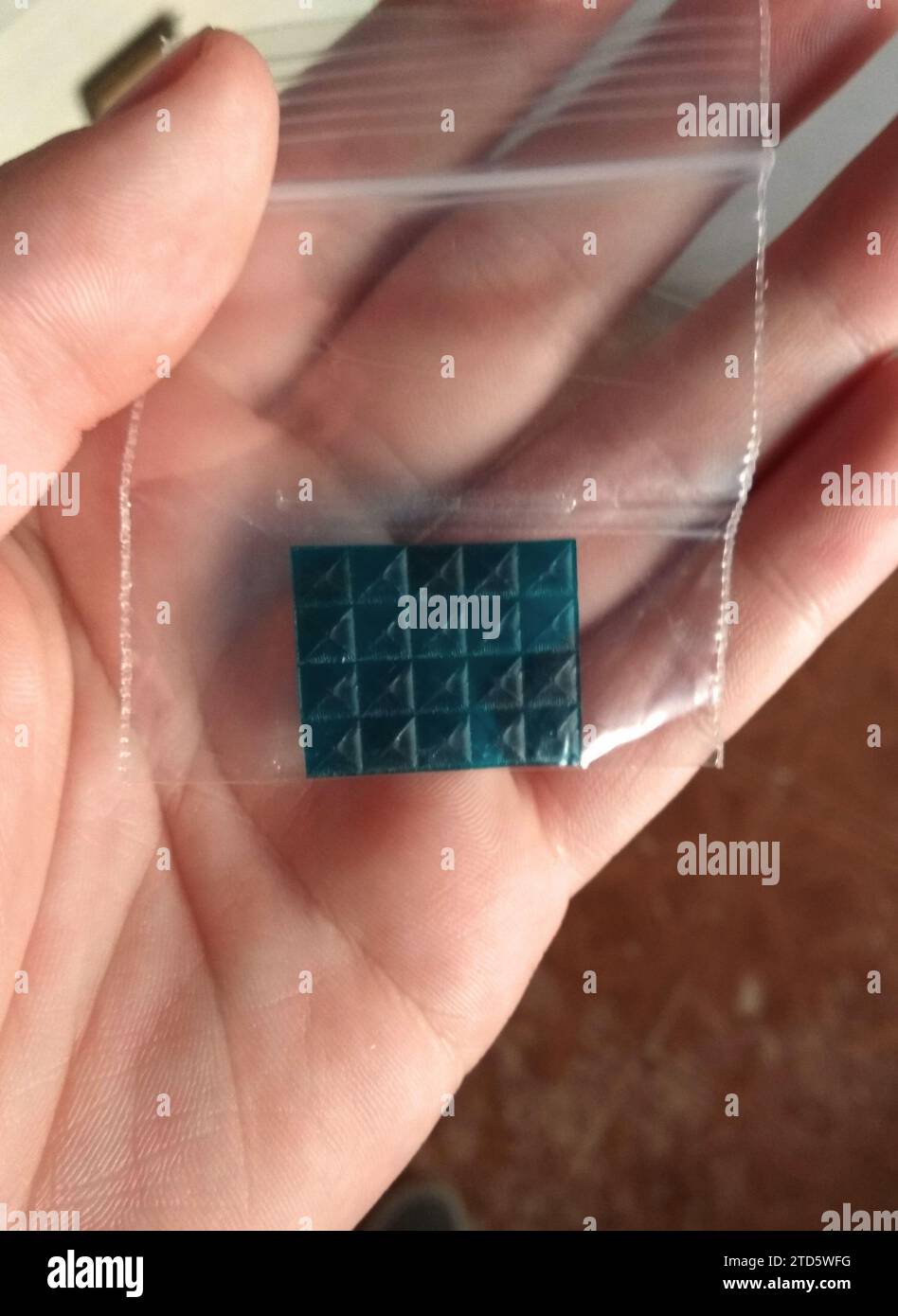
While researching lysergic acid derivatives, Hofmann first synthesized LSD on November 16, 1938. Research published in this report found that along with MDMA, or Ecstasy, LSD was one of the most commonly used drugs at clubs and raves in the 1990s. During MK-ULTRA, the CIA conducted hundreds of uncontrolled tests on unsuspecting people in a variety of ways, sometimes with undercover narcotics agents secretly slipping LSD into drinks at bars and following people afterwards to see how they responded.
The History Of Other Drugs
This can often be related to "healing" or health as well but typically in the context of finding out what is wrong with the individual, such as using psychedelic states to "identify" a disease and/or its cause, locate lost objects, and identify a victim or even perpetrator of sorcery. The name has its origin in the belief that just as St Peter holds the keys to heaven, the effects of the cactus allow users "to reach heaven while still on earth." In 2022, the Peruvian Ministry of Culture declared the traditional use of San Pedro cactus in northern Peru as cultural heritage. Archaeological studies have found evidence of use going back two thousand years, to Moche culture, Nazca culture, and Chavín culture. Usage patterns varied by sociodemographic characteristics, including sex, age, residence, income, and marital status.
Clinical Features
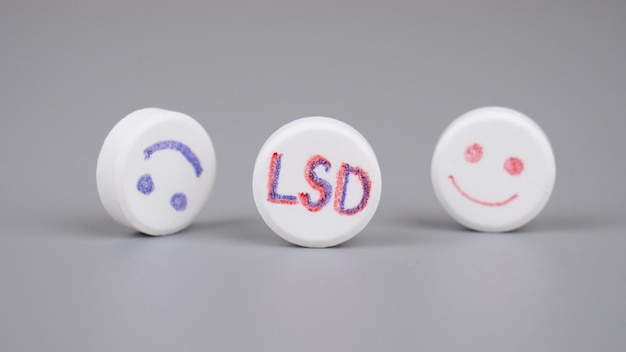
Common adverse effects (2.4–42%) included agitation or irritability, tachycardia, hallucinations or delusions, confusion, pupil dilation, hypertension, drowsiness or lethargy, elevated creatine phosphokinase (CPK), nausea and vomiting, and others. In other reports, a 5 mg overdose of LSD produced severe nausea and vomiting along with severe behavioral disturbances, while a 10 mg overdose was also non-fatal. A subsequent 2020 case similarly involved accidental insufflation of a confirmed 55 mg dose of LSD instead of cocaine, which was without adverse health consequences.
Chemistry And Pharmacology
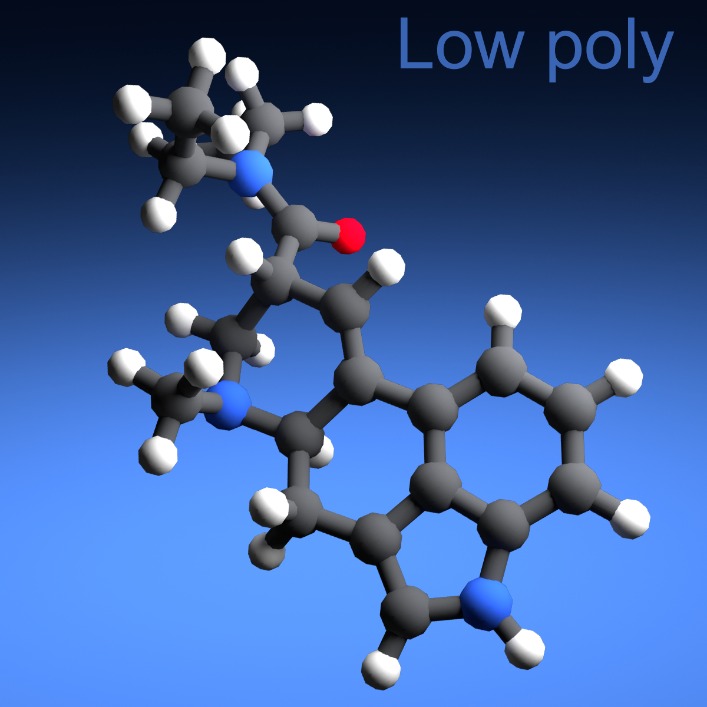
Indeed, following intravenous administration in humans 1P-LSD is detectable in serum for no longer than 4 hours, after which it is completely converted to LSD. Like ALD-52 (1A-LSD), 1P-LSD is believed to act as a prodrug for LSD via hydrolysis of the propionyl group. The subjective effects of 1P-LSD are not well-defined in the literature, although they are generally thought to be comparable to those of LSD. The dose range of 1P-LSD is 100 to 200 μg, with a typical dose estimate of 150 μg. It modifies the LSD molecule by adding a propionyl group to the nitrogen atom of LSD's indole group and is a prodrug of LSD.